












Non-Realty Items; It Can Get Tricky

Posted by Tim Ryan on Sunday, November 20th, 2011 at 1:33pm.

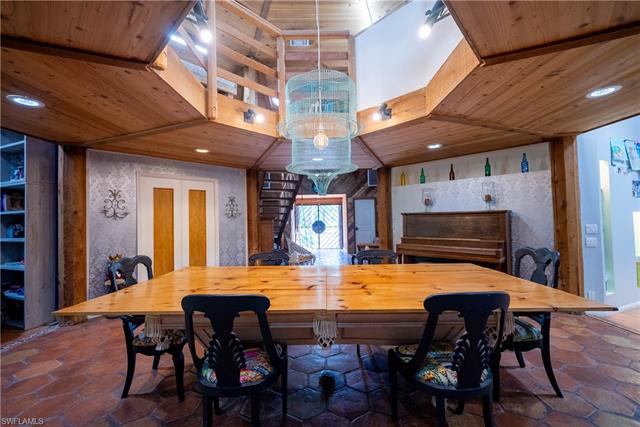
Once upon a time in a real estate transaction, things became very ugly over a dining room chandelier. The sellers had meant for it to be excluded, but it wasn’t listed as such. The buyers loved the chandelier, thought it was perfect in the dining room, and threatened to not buy the house without the chandelier.

“The chandelier issue” became very stressful for all parties involved as eventually the closing was delayed and it seemed as if the transaction was really not going to close because of this disagreement. The seller contended that it was a family heirloom and very sentimental. T

he buyer contended that if it was so special, why wasn’t a sign hanging from it, or why was it not noted in the MLS listing? Eventually the transaction closed with the sellers taking the chandelier and offering a credit in lieu for the purchase of a new one, but this all could have been avoided with a few simple steps.

When selling a home, it is a good idea to take a walk through the house and look at each and every fixture, thinking carefully about what you will want to take with you and what will stay. The best idea is to swap out the special light fixtures, curtains, etc. with a passable substitute prior to listing the home.

 That way there is no confusion as to what stays and what does not. As in the introductory story, these disagreements can escalate quickly, and with all the emotions involved in a home sale or purchase, avoiding the whole thing is definitely best.

The general rule of thumb is that anything attached to the structure or the ground stays. It has been said that if you could turn the house upside down and shake it, all the things that wouldn’t fall out stay with the home. One area that gets a bit murky is appliances. The stove and dishwasher generally stay, but the refrigerator, washer, and dryer go with the seller unless agreed to and specifically written into the contract.

From the buyer’s perspective, as you fall in love with a home, it is easy for all the existing items to feel just right they way they are currently. In fact, some buyers even write their contract and ask for several personal items of the sellers to be included in the sale.

That is fine, and it is possible they will even be willing to part with their stuff, but remember two things. First, do not take anything for granted. Be specific about the non-realty items you want to include. Second, these items are usually not free. The cost can easily be worked into the deal, but writing a low ball offer and then asking for 10 items will get the negotiation off to a bad start from the beginning.

On the flip side, in some sales, the house is listed as ‘fully furnished’, or ‘all furnishing stay’. This is particularly common with properties located in vacation or second home areas. What can happen there is the same but in reverse. If you are selling a property like this, you need to be very specific about which items you plan to take. Once during a transaction like this, the home was listed as fully furnished, but later the seller came back with an entire sheet of exclusions. Upon the final walkthrough, the buyers found that in this sellers case, fully furnished actually only meant, ‘We’ll leave the beds.’

As you can see, this is an issue that comes up a lot in real estate transactions. Whether you are a buyer or a seller, it is very important to be very specific about your wishes and they are in writing. About The Author: Kimberley Kelly is a Palm Springs Realtor who helps buyers and sellers buy or sell La Quinta CA homes. If you're in the market in Southern, California be sure to check out her real estate in Palm Desert website for listings options.

Be the first to comment on this blog entry!


Leave a Comment
